
Updated November 5, 2026
Where your farm data lives: your servers or your country
Planva runs on your own servers or, when your contract needs it, in a cloud in your country.
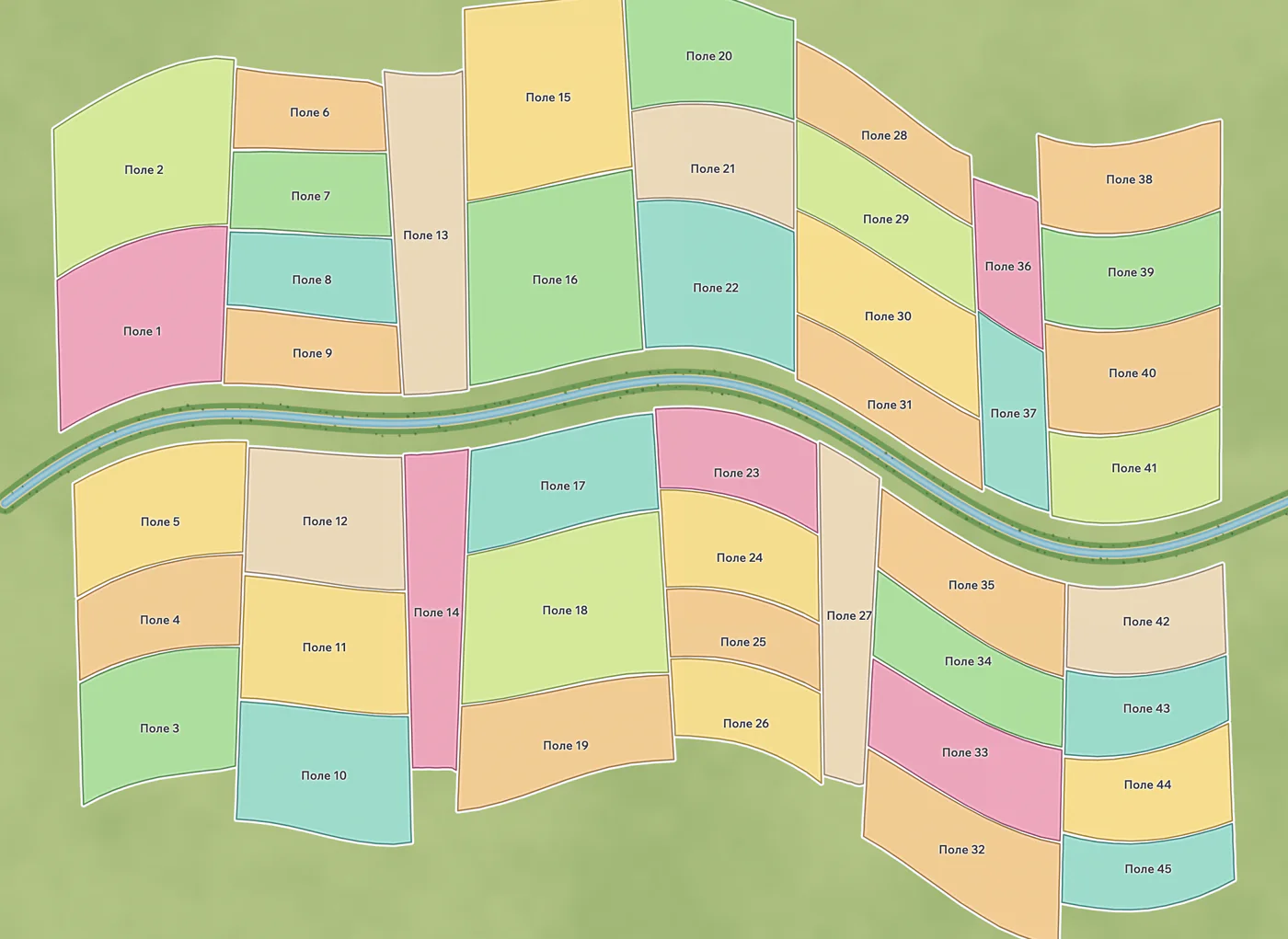
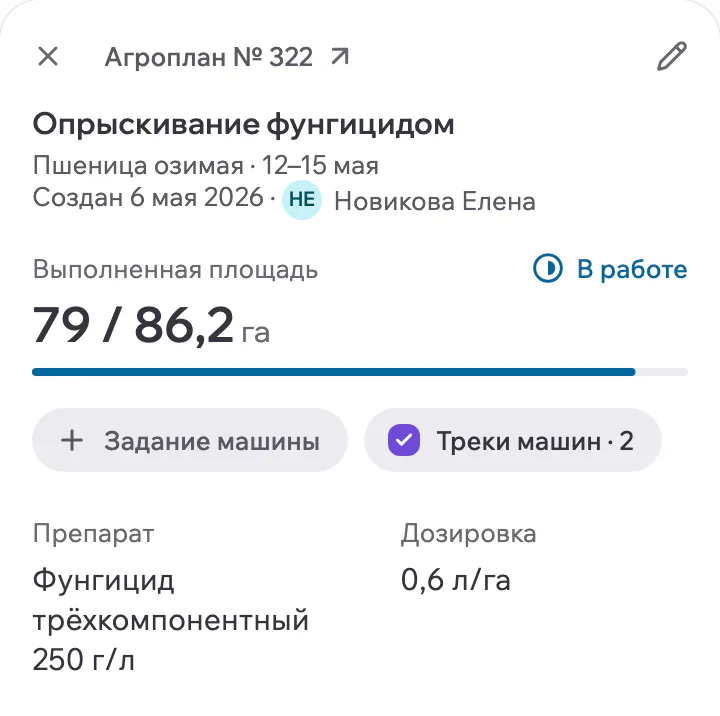
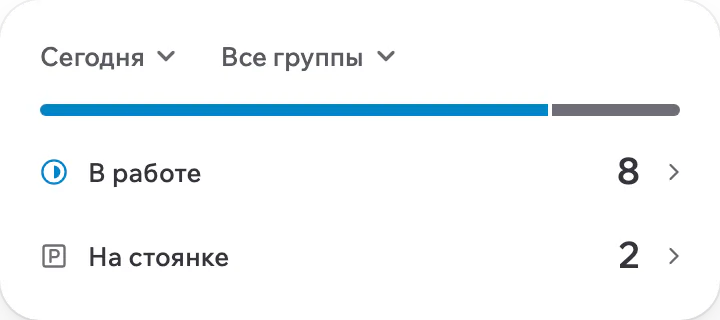



Field records, agroplans and machine data stay where you choose.
Choose against an actual requirement. A local law may set where staff records sit, your team may want to work inside its own infrastructure, or you may need a clear handover at the end of the contract. Write those requirements down before comparing proposals.
Two deployment choices to discuss
| Choice | What it means | What to settle before onboarding |
|---|---|---|
| Your own servers | A perpetual licence for Planva on the farm's own servers, with no external cloud. | Infrastructure responsibilities, connectivity, maintenance and recovery arrangements. |
| Cloud in your country | Planva hosts the platform. Payment is by subscription, and the location is written into the contract. | The country, the records covered, access requirements, backups and the support arrangement. |
Data placement does not by itself establish a certification, a backup frequency or a recovery time. The data-placement page lists the operational questions to agree.
The rules differ by country
Kazakhstan's personal data law says personal data is stored in a database located in the country. Uzbekistan narrowed its storage rule in March 2026. The Kazakhstan and Uzbekistan pages give the sources. These are pointers, not legal advice, so ask your lawyer what applies to your records.
Inventory the records that matter

Fields and seasons
Include field identifiers, rotation and the historical seasons the team needs.
Plans and machine work
Identify the agroplans, machine tasks and plan-versus-actual records required for reporting.
People
List where drivers, operators and crews appear, since those are the records a personal data law reaches.
Exports
Boundaries export to KML and SHP. Agroplans and reports export to XLSX.
End of contract
Agree which records you will receive, in which formats and who handles the handover.
Test one field before moving the archive
Use a known boundary, one agroplan and one machine task. Check that the agronomist and the dispatcher can do their part. Add a sample of historical records before accepting a larger move. A pilot runs for 2 to 4 weeks on your own fields and machinery, followed by launch with training and support.
Price and support
Pricing depends on acreage, modules, deployment model and implementation scope, and is fixed in the proposal and contract. Migration is included in the contract. The timeline depends on the volume and quality of your exports and is agreed before you sign. Support works 24/7, by email.
Read the checklist for moving from another platform, then bring your data-placement requirements to a demo.
Who should not buy
Do not choose your own servers unless the infrastructure and maintenance responsibilities are agreed. If a certification or specific integration is mandatory, require evidence before committing.
Before onboarding
Planva offers both. Agree the location, the records covered and the operating responsibilities before onboarding.
No. A location choice is not a certification. Ask for evidence for any procurement requirement.
Agree server infrastructure, connectivity, maintenance, backups and recovery responsibilities for the proposed deployment.
Boundaries load from Shapefile or KML, and the catalogues of another platform can be moved. Identify which historical records are in the source export.
Pricing depends on acreage, modules, deployment model and implementation scope, and is fixed in the proposal and contract.
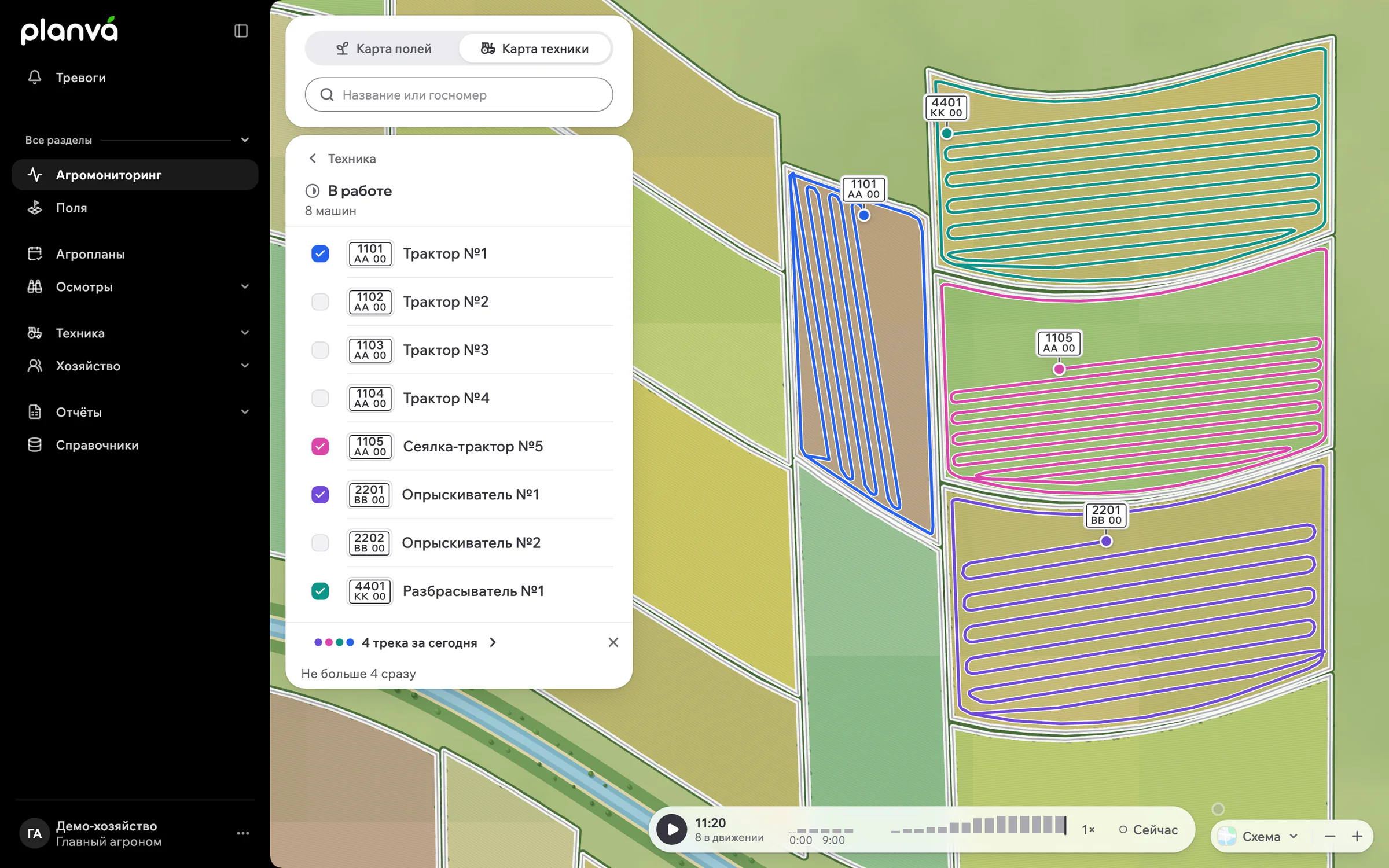
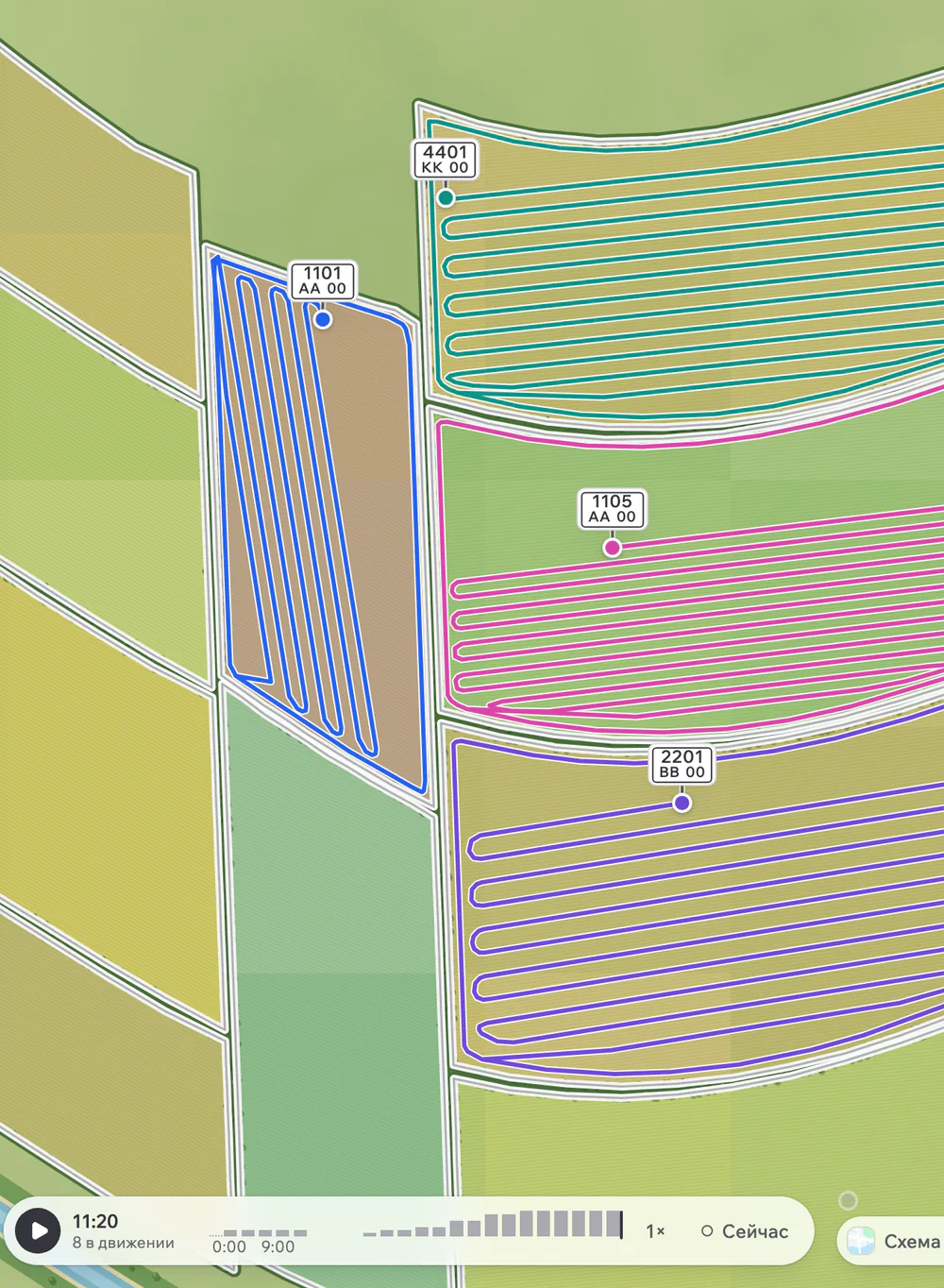
The real Planva interface, shown with test data.
Show us one of your fields
In a 30-minute demo we go through your fields, one agroplan and one machine task. Deployment and pricing get agreed before onboarding.
Support works 24/7